
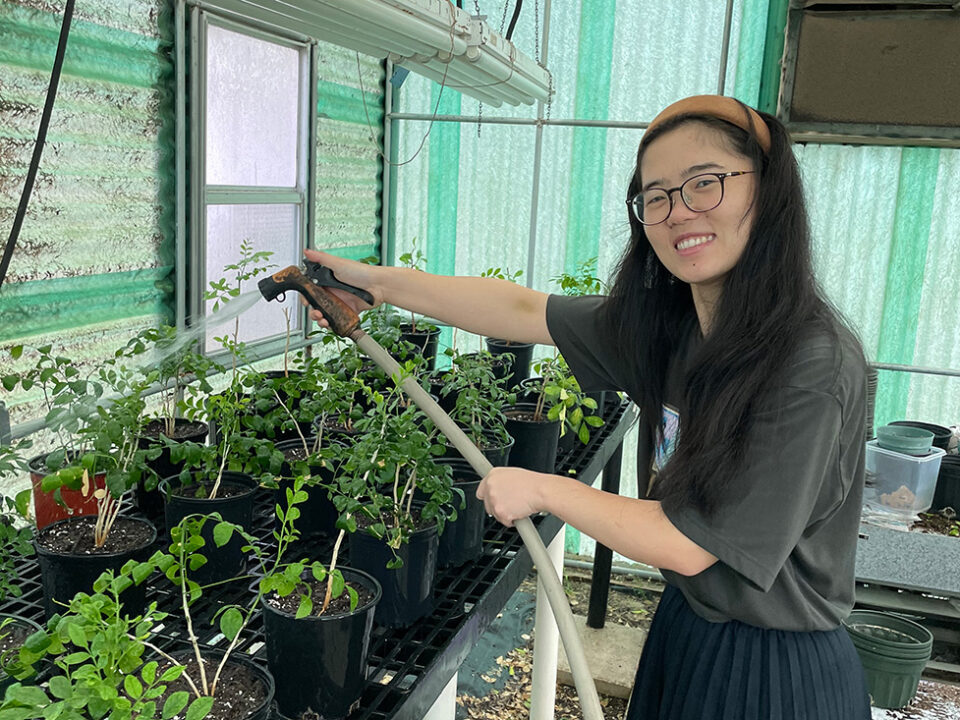
At PCR Biosystems, our customers are at the heart of everything we do. We love hearing how our products make a real difference in the lab – and this is one of those stories.
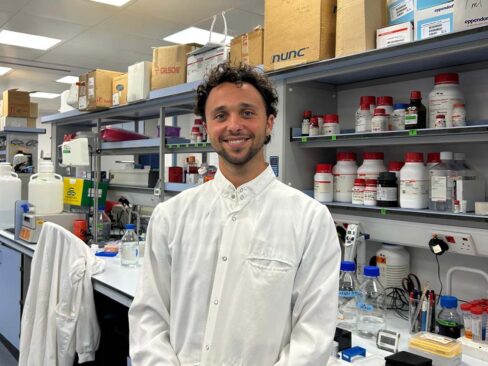
We recently spoke with Na Xie, a postdoctoral researcher, whose current work focuses on characterising salivary proteins in stink bugs, specifically their expression patterns and potential roles in insect-plant interactions. Currently working within the Swale Lab at the University of Florida, Na is an accomplished entomologist with multiple award recognitions. In this article, we spoke to Na about her research and how PCR Biosystems products have become part of her workflow.
Finding a reliable qPCR solution
Na was first introduced to PCRBIO by her PhD supervisor while testing receptor expression in Drosophila melanogaster. She told us the results spoke for themselves, describing them as “very strong”, and telling us that having a “reliable and efficient qPCR kit” made a “significant difference” in generating consistent, high-quality results. Since then, she has continued using PCR Biosystems products throughout her research.
Streamlining gene expression analysis
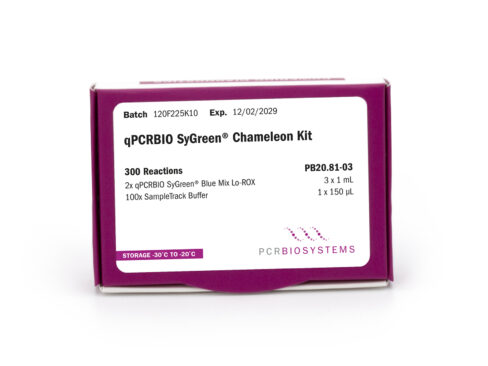
Gene expression studies often involve processing multiple samples while minimising technical variation. For Na, finding a workflow that was both efficient and reproducible was essential. As a result, Na incorporated our qPCRBIO SyGreen® 1-Step into her gene expression workflow, explaining that since adopting the kit she has seen “clear improvements in efficiency, reliability, and consistency.”
When asked if there were any specific advantages of the kit, she told us that the single-tube format had been a particular advantage, as it has allowed her to combine both reverse transcription and qPCR into one streamlined step, saving her a significant amount of time.
“It fits smoothly into my workflow because it combines reverse transcription and qPCR in a single step, which saves time and reduces variability between samples. This is especially helpful when comparing expression patterns across multiple genes or treatments.”
Additionally, while testing primer efficiency for her salivary protein genes of interest in the southern green stink bug, Na found that the kit performed “particularly well”. Compared with other kits she had tested, she said the PCRBIO product delivered the “best primer efficiency” alongside “more reliable” amplification results.
Saving time in the lab
When reactions work efficiently the first time, repeat experiments and excess reagent use become a thing of the past – a cost-saving benefit that Na highlighted during our discussion.
“The one-step SyGreen qPCR kit has saved me a significant amount of time by eliminating the need to perform reverse transcription separately. When the reaction works efficiently the first time, it also helps reduce costs by avoiding repeated experiments and extra reagents.”
Beyond the performance of the kit itself, Na also highlighted the support she received throughout the purchasing process, describing her overall experience with PCR Biosystems as “very positive”. Na also went on to praise our US Inside Sales Representative, Chris Foran, for making the purchasing process straightforward.
“She responded quickly, was patient, and made the ordering process much easier.” – Na Xie on Chris Foran (PCRBIO US Inside Sales Representative)
Support beyond the product & final thoughts
We ended the interview by asking if Na would recommend PCRBIO based on her experience working with us, and we were delighted to hear a resounding yes. Na described our products as “reliable, efficient, and easy to use”, and even mentioned that her recommendation has already spread. A former colleague at Texas A&M has since made the switch to PCRBIO after hearing about Na’s positive experience firsthand.
We’re delighted to have spoken with Na and would like to thank her for taking the time to share her story with us. We wish her continued success with her research!
If you’d like to learn more about Na’s research, please see her site here.
Have a story to tell us? Please get in touch with us at [email protected]